The independent appliance repair shop across the Southeast
Cooktop Repair — Book a Visit Today
We repair gas, electric coil, radiant glass, and induction cooktops on every major brand as an independent shop, so tell us what yours is doing and we'll take it from there. Cooktops usually fail in small ways first. One burner clicks forever without lighting, an induction zone drops power halfway through a boil, or a radiant element glows on high no matter where the knob sits. Behind those symptoms sits a short list of parts: spark modules and igniters, gas valves, infinite switches, surface element coils, touch control boards, and the wiring tying them together. Our technicians pull the cooktop, test what actually failed, and explain the finding in plain words before any work starts. Call us.
Call (888) 826-9217- You reach a person, not a menu
- Open every day
- The quote comes first, in writing
Taking calls until 5:00 PM CT
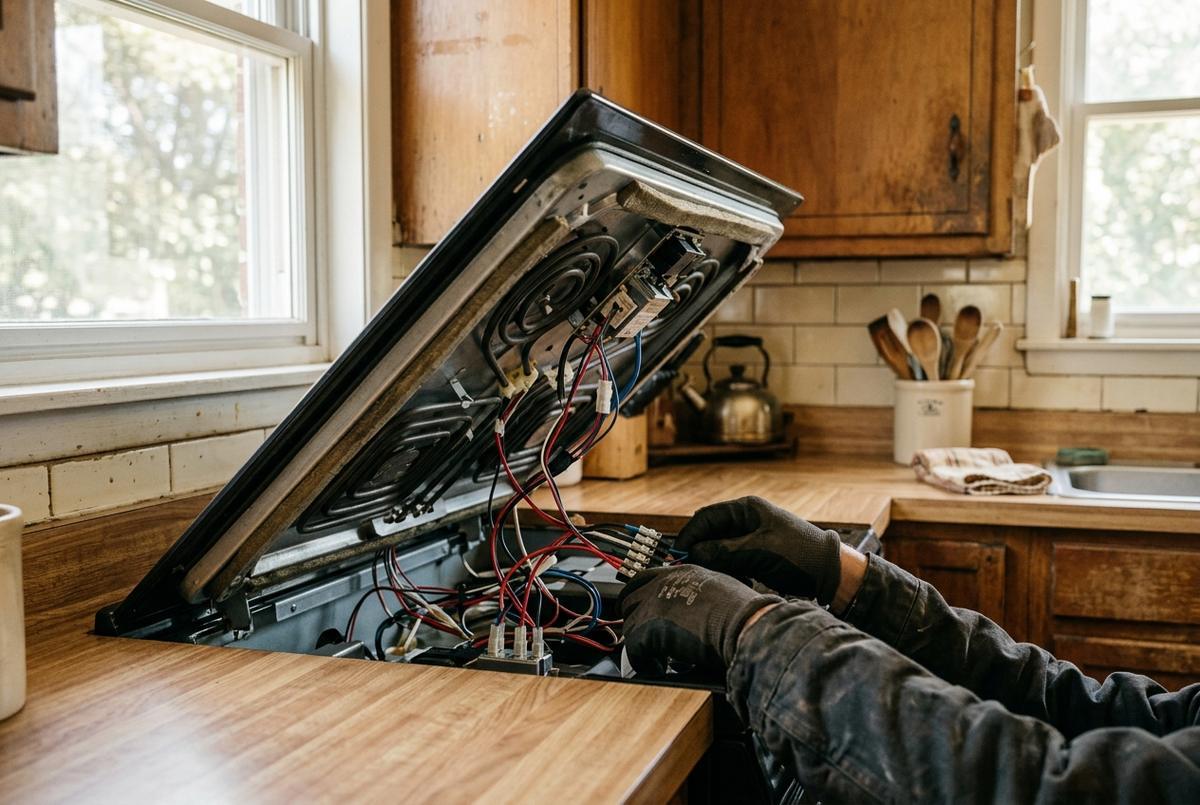
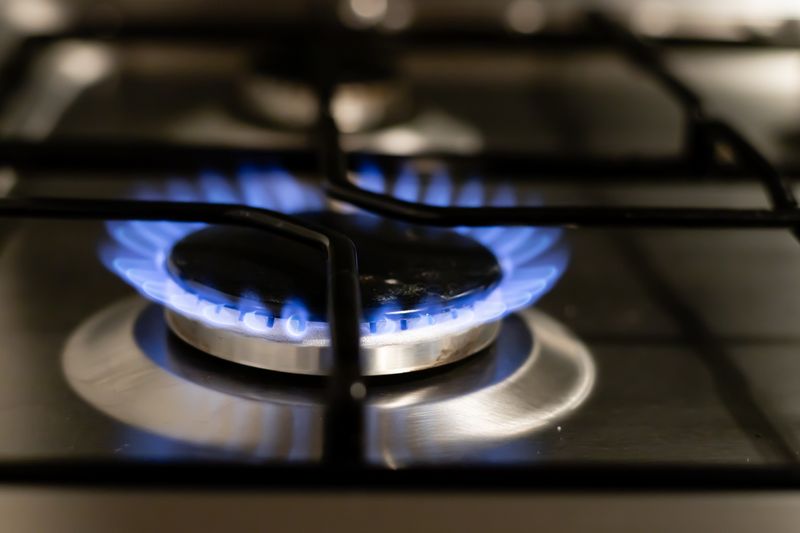
The cooktop symptoms we hear most
- Burner clicks and clicks but never lights Usually a wet or cracked spark igniter, a failing spark module, or food packed into the burner ports.
- I smell gas near the cooktop Shut off the gas, open a window, leave the house, and call the gas utility first. After that, a leaking valve, fitting, or orifice needs testing.
- The element stays on high or won't shut off Almost always a welded infinite switch contact, sometimes a shorted element or control relay.
- Touch controls ignore me or beep on their own Moisture under the glass, a cracked ribbon connection, or a failing control board reading phantom presses.
- Induction zone cuts out mid-boil Points to overheating from a blocked cooling fan, a bad pan sensor, or an inverter board starting to fail.
Safe things to check first
Worth a look before you call — sometimes it saves you the visit.
- 1Make sure the breaker for the cooktop is fully on. A half-tripped breaker can leave some zones dead while others keep working.
- 2Pull the burner caps and grates off a gas cooktop and clear crumbs or boil-over out of the tiny slots around the ring.
- 3Wipe the glass control area dry and let it sit ten minutes. Trapped moisture fakes a control failure more often than you would think.
- 4On induction, hold a magnet to your pan bottom. If it does not stick, the cooktop is doing exactly what it should.
Guides & troubleshooting
Why homeowners pick a local independent shop
| ACR Service Inc | Big-box repair chains | Handyman listings | |
|---|---|---|---|
| Quote in writing before a wrench comes out | ✓ | ✕ | ✕ |
| Phones answered by people, every day | ✓ | ✕ | ✓ |
| All major brands, gas and electric | ✓ | ✓ | ✕ |
| Independent, no manufacturer quotas | ✓ | ✕ | ✓ |
| Crews familiar with homes like yours | ✓ | ✕ | ✓ |
What homeowners say after the visit
“They said morning, they meant morning. The quote said one number, the card ran that number.”
Faye D.Louisville, KY“Ice maker leak had warped the floor before we noticed. They fixed the valve and pointed us to a floor guy. Above and beyond.”
Kurt V.New Orleans, LA“The person on the phone asked for the model plate ahead of time so the visit came stocked.”
Lena R.Meads, KYCooktop Repair — quick answers
Is it worth repairing a cooktop or should I replace it?
Depends on what failed. Igniters, switches, and elements are common parts, and that repair is straightforward. Shattered glass or a corroded burner box on an older unit changes the math. Our technician tells you what the actual problem is so you can decide.
Can you repair a cracked glass cooktop surface?
A cracked surface is not repairable. The glass panel gets replaced as a unit, and availability depends on the model. We check whether the panel is still made before you commit to anything. Stop using cracked zones in the meantime.
Do you fix both gas and electric cooktops?
Yes. Gas, coil electric, radiant glass, and induction all come through our schedule. Each type fails differently, so when you call us, tell us which one you have and what the burners are doing.
Why does one burner work and the others do nothing?
On gas, a single dead burner usually means that burner's igniter or valve. On electric, one dead zone points to its element or infinite switch. When a whole side quits at once, we start looking at the power feed instead.
How do I know if my cooktop or my wiring is the problem?
That is what the diagnostic visit sorts out. Our technician tests voltage at the appliance connection. If the power arriving is wrong, the fix belongs to an electrician, and we tell you that plainly instead of replacing parts.
What should I have ready when the technician arrives?
Clear the counter around the cooktop. Know your brand and model number if you can find it, often on a label under the unit or in the paperwork. A quick description of when the trouble started helps too.
How it works
- Step 1
Tell us the symptom
Call us or fill out the form. Describe what the appliance does and does not do. Noises, error codes, smells, puddles. Brand and model help. That detail lets us plan the visit right.
- Step 2
We diagnose in person
A technician comes to your kitchen or laundry room and tests the machine instead of guessing. Controls, heating parts, motors, seals, drains. You hear what failed and what the repair involves before work starts.
- Step 3
You approve the repair
Nothing gets replaced until you say go. Common parts are handled on site when we have them. If a part must be ordered, we tell you that up front and schedule the return.
- A real person answers
- Open 7 days
- Written quote before work starts
Why homeowners call us
- Symptoms, not scriptsA washer that fills but never spins is a different problem than one that spins but never drains. We ask questions that narrow it down, then confirm with testing. Guesswork wastes parts and your afternoon.
- Independent and brand-wideWe are not tied to any manufacturer. That means we work on the big laundry and kitchen names side by side, and we recommend the repair that makes sense for your machine, not one brand's playbook.
- Regional coverageBased in Huntsville, we serve homeowners in Alabama, Georgia, Tennessee, Kentucky, Mississippi, Louisiana, Arkansas, North Carolina and South Carolina. One number to call whether you are in a city neighborhood or a small town outside it.
- Straight explanationsYou will hear what part failed and why, in plain words. If a machine is worn past sensible repair, we say so. Homeowners make better decisions when nobody is hiding behind jargon.
- All major brands, gas & electricIndependent service on Whirlpool, LG, Samsung, GE, Maytag, Bosch, KitchenAid and the rest.
- Straight answersSome machines aren't worth the part, and we say so before you spend anything.
Cooktop Repair
Small faults become big ones on a schedule of their own
Describe the symptoms and we'll book the visit — takes about a minute.
- A real person answers
- Open 7 days
- Written quotes
- All major brands
- Gas & electric
Rather not call? Get a free quote →